Best Type of Therapy for Kids Who Experienced Trauma

When kids go through something hard—whether it’s a loss, an accident, abuse, or even just a big life change—they don’t always have the words to talk about it. But their behaviors, emotions, and even school performance might start to shift. If you’re noticing changes in your child, trust your gut. Don’t wait to get your child the help they need. The right therapeutic support can help children feel safe again, build healthy coping skills, and begin to heal from difficult experiences.
Trauma-informed therapy helps kids make sense of what happened in a way that feels safe and manageable, while strengthening resilience and emotional regulation.
Signs your Child Experienced Trauma
Not every child who experiences trauma will verbalize it directly. In fact, many don’t. You might be the first to notice that something’s not right.
Common Signs of Trauma
Sudden mood changes
Difficulty sleeping, fearful of sleep, frequent nightmares
Regressive behavior (bedwetting, tantrums)
Withdrawal from friends or activities
Trouble concentrating at school
Some children may also become more irritable, clingy, or show physical symptoms like stomachaches or headaches with no clear medical cause.
If you are already aware your child experienced something traumatic, then you are already taking the right steps by researching therapies that will help. Let’s look at some that will help.
Types of Therapy for Trauma
If you know your child is suffering from a traumatic event, or are skeptical they are hiding something, then there are several therapeutic approaches worth exploring to help them open up and begin to overcome their trauma.
Cognitive Behavioral Therapy (CBT)
Cognitive Behavioral Therapy helps children understand the connection between their thoughts, feelings, and behaviors. For children who have experienced trauma, CBT provides practical tools to manage anxiety, reduce fear-based reactions, and develop healthier coping strategies. It also helps children feel more in control of their emotions by teaching them how to recognize and challenge unhelpful thought patterns.
Trauma-Focused Cognitive Behavioral Therapy (TF-CBT)
TF-CBT is a specialized form of CBT created specifically for children and adolescents who have experienced trauma. It gently guides children through processing traumatic experiences in a safe and structured way while teaching skills for emotional regulation, relaxation, and coping. TF-CBT often includes caregivers, helping strengthen the child’s support system and promote healing both in and outside of therapy.
Eye Movement Desensitization and Reprocessing (EMDR)
EMDR helps children process traumatic memories that may feel overwhelming or “stuck.” Through guided eye movements or other forms of bilateral stimulation, the brain can reprocess distressing experiences in a healthier way. This allows children to reduce emotional reactions tied to trauma and move forward without being constantly triggered by past events.
Trauma Systems Therapy
Trauma Systems Therapy focuses on both the child’s emotional regulation and the environment around them. This approach recognizes that healing happens not only through individual therapy, but also by improving family, school, and community supports. It helps children feel safer in their daily lives while teaching caregivers how to respond more effectively to trauma-related behaviors.
Art & Play Therapy
Art and play therapy allow children to express feelings they may not yet have words for. Through drawing, games, storytelling, and creative activities, children can process trauma in a way that feels natural and non-threatening. These therapies help build emotional awareness, reduce anxiety, and restore a sense of control and confidence.
At GIA Institute we use art therapy as well as play therapy in combination with many of our other forms of therapy. We have entire rooms dedicated to play and art to help kids feel safe, and begin to express their emotions.
Child Trauma Therapists in South Jersey
At GIA Institute, our child trauma therapists specialize in helping children heal from difficult and overwhelming experiences. We use evidence-based, trauma-informed approaches tailored to each child’s developmental needs in a safe and supportive environment. If your child has experienced trauma, GIA Institute is here to help your family take the next step toward healing and hope. Rewrite your family’s story today.



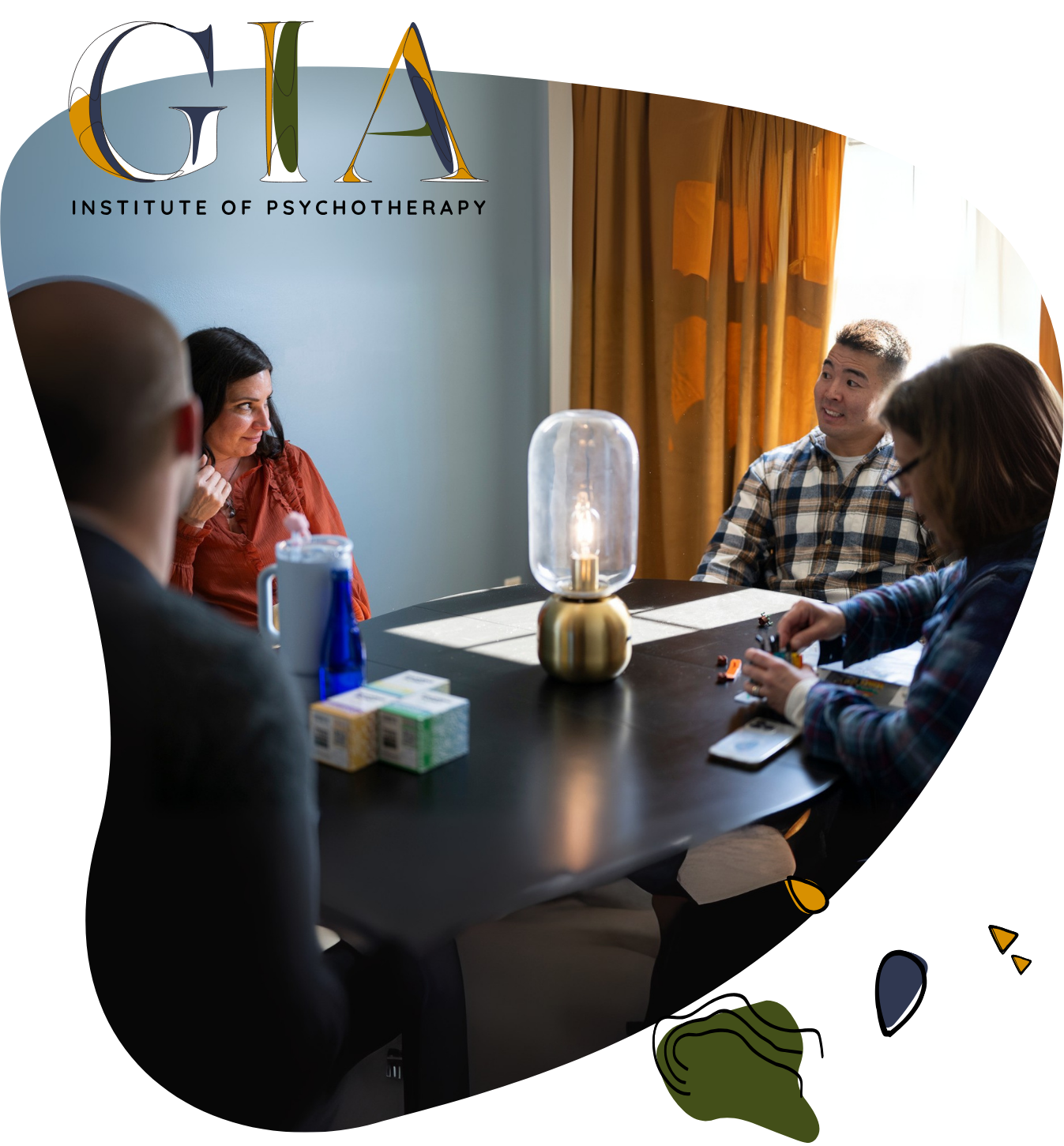
As relational therapists, we believe that working with a therapist who “gets” you - one who you trust can help you - is the foundation for successful therapy. To ensure the best possible match, we'll schedule a consultation to discuss your specific needs and preferences. We'll consider your cultural background and identity, your goals, and your financial situation to help connect you with a therapist who is right for you.
For in-person sessions in South Jersey, our office is located in downtown Somers Point, NJ. For your convenience, we also offer online sessions for anyone in New Jersey.