
EMDR Therapy
While we were skeptical for years of quick fixes in mental health, the evidence of the effectiveness and value of EMDR (Eye Movement Desensitization and Reprocessing) became too strong to ignore. In fact, every clinician at GIA is now required to complete EMDR training.
EMDR as a stand-alone therapy is effective in processing trauma, but we usually incorporate it into traditional relational-based therapy. It blends well with Parts work or DBT, Internal Family Systems (IFS), Art Therapy, and Attachment-based therapies.
Looking to Overcome Trauma?
Through EMDR, we use bilateral stimulation or eye movements to desensitize painful memories, reducing the symptoms and impact of traumatic experiences. We then reprocess these memories or change our beliefs about ourselves in relation to these experiences.
Adaptive Information Processing (AIP) Explained
In order to understand EMDR, we have to look to the AIP model to understand why it works.
AIP is the idea that the brain is hardwired to heal, just as any other parts of our body are designed to move in a direction of healing after an injury or illness. It explains how our systems get overwhelmed when we experience traumatic events, and our natural processing system can get “stuck.” Trauma can make us feel like our experiences are still happening in the present. EMDR helps the brain to get “un-stuck” so that healing can resume, and the experiences can be integrated.
What Do We Use EMDR For?
We have found EMDR works great for overcoming trauma, but it is also helpful for other mental health challenges as well. We have used EMDR for the following:
Anxiety (chronic)
Its GREAT with shame
Panic
Athletic Performance Blocks (or other blocks)
Grief/Loss
Attachment Wounds
Phobias
Negative Beliefs about Ourselves
What Exactly is EMDR Therapy?
Benefits of EMDR Over Other Forms of Therapies
Traditional psychotherapy, once known as the “talking cure” offers catharsis while telling your story with someone who can understand it. Millions of people experience relief, gain perspective and improve their ability to cope. But others still feel stuck. They might say, “I’ve been talking about this for years.” They might know why, how, and what, but old patterns keep happening or they keep experiencing the same symptoms. And then there are those times when talking about traumatic experiences can be too painful or overwhelming.
EMDR allows the brain to resume healing and allows the brain to do the work of rewiring how our neural networks communicate without rehashing the details of your worst experiences.
Who Should NOT Use EMDR Therapies?
While EMDR is often a go-to option for trauma, there are times when it may be ineffective or unsafe – or the timing may not be right. If someone is currently feeling unsafe or suicidal, actively abusing substances, or experiencing mania or active psychosis, there may be a need for greater stability, sobriety, or support before EMDR. But we can discuss this during your consultation. If the timing is not right, or EMDR isn’t the right fit for you, we will help you figure out what is.
EMDR for Kids and Teens
EMDR is a great therapy for kids because it relies on the brain and body to do the work, rather than relying on the ability to verbalize or give details kids might find hard to conceptualize or put into words. The methods are modified to make them age appropriate and may include different types of bilateral stimulation like tapping. It's often integrated into play therapy or attached-based approaches with children. It's also used frequently to help kids who are struggling with anxiety or big feelings. As always, parents are involved every step of the way.
FAQs About EMDR
How long does EMDR therapy take to work?
Clients sometimes report improvement after just a few sessions, particularly when dealing with single-incident traumas. Others see more gradual changes over the course of several months. Complex or developmental trauma often requires a longer course of treatment. We prioritize safety and readiness so each client’s plan, pace, and outcome are different.
Are there any risks associated with EMDR therapies?
EMDR is considered safe and well-researched, but like any other therapy, clients can experience increased emotions, vivid memories, and fatigue during and after sessions while the brain processes the stored experiences. If EMDR is started too quickly or without proper preparation, it can lead to increased distress so we always move carefully and thoughtfully before jumping into processing.
EMDR sounds like a quick-fix, miracle cure… is it legitimate?
EMDR is not a miracle cure or a shortcut, but it is a well-researched, evidence-based therapy used worldwide for trauma and other concerns. While some people notice improvements relatively quickly, meaningful healing still depends on readiness and a strong and trusting therapeutic relationship. We use EMDR thoughtfully and collaboratively. We don’t want fast and furious fixes, we want meaning and lasting change.


Our Approach

All of our therapists are trained in EMDR therapies and we specialize in working with children and adults who are working to overcome trauma. With extensive knowledge of the most up-to-date EMDR practices, our therapists offer comprehensive support tailored to each individual’s and family’s needs.
The best approach to therapy depends on YOUR specific challenges and goals, as well as what's going on below the surface. Our team, based here in South Jersey, will take the time to get to know your family and build a plan that fits your child’s unique needs.
EMDR may not be the right fit for you or your loved one, but we are here to help guide you on your healing journey.
What To Expect At GIA
-
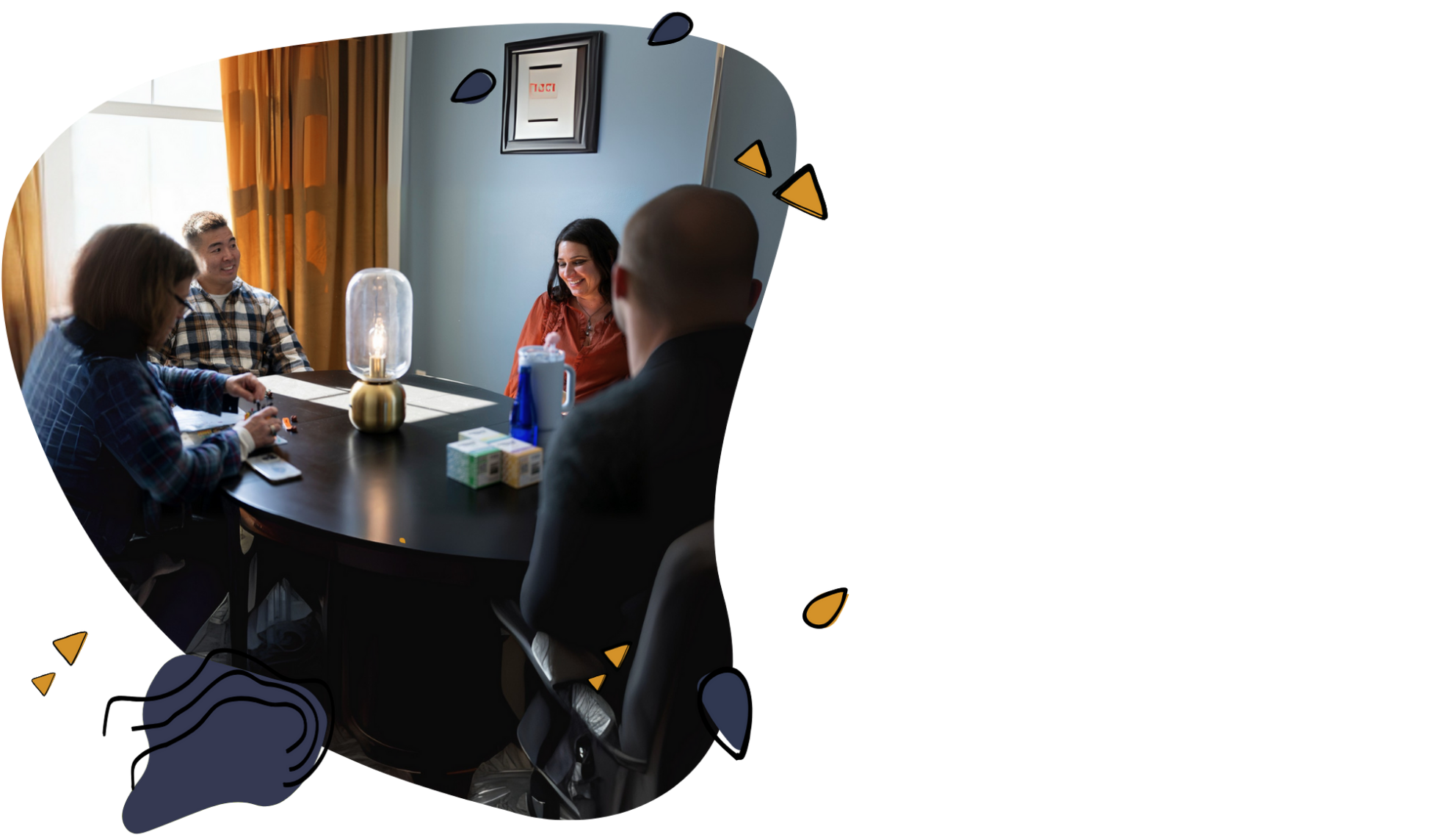
We're your therapists next door, ready to help you and your family rewrite your story.
-
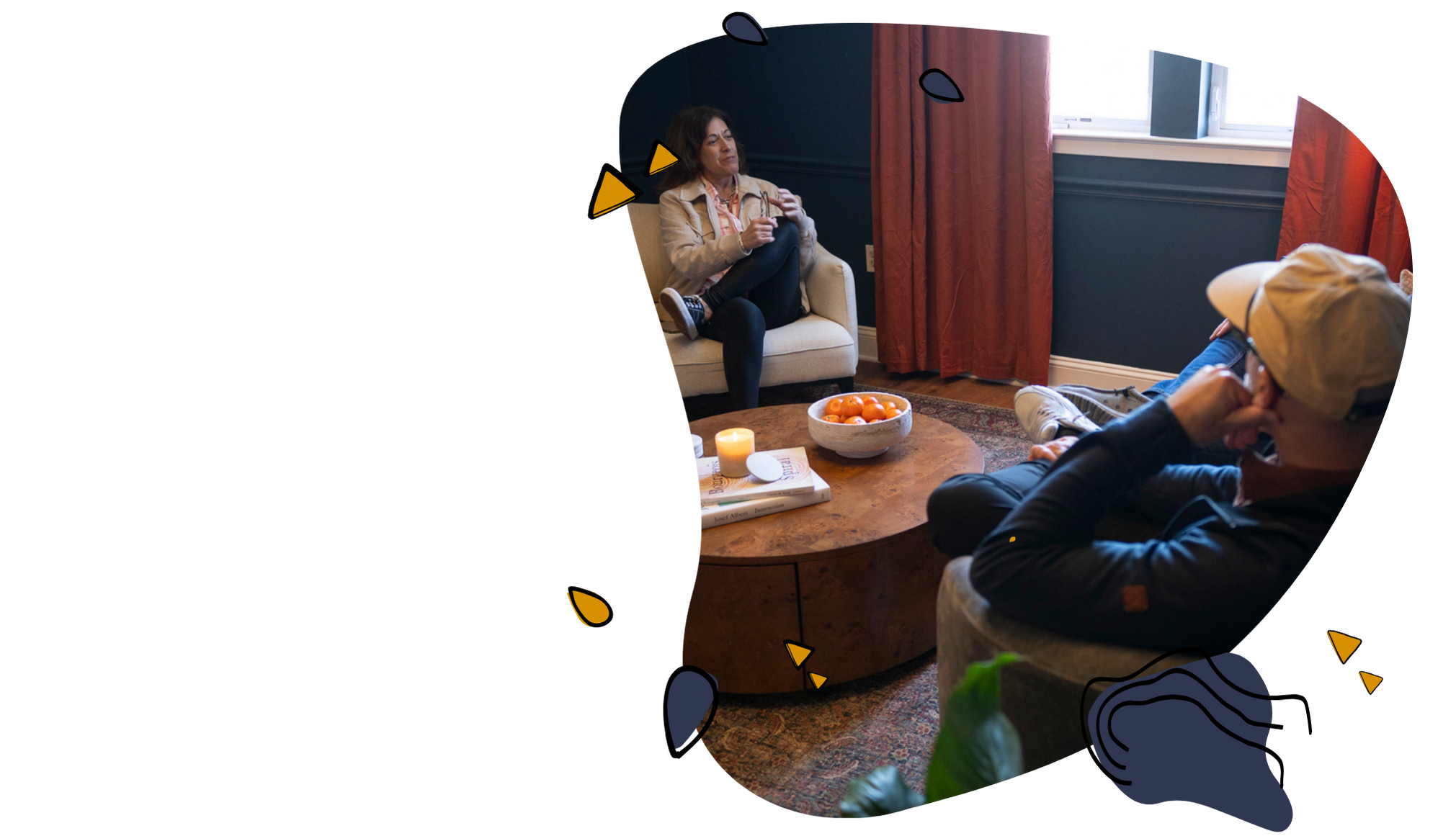
We will start by getting to know you and your goals for therapy. From there, you and your therapist will work together to outline a treatment plan that makes sense for you.
Are you ready to rewrite your story?
We look forward to working with you and your family to overcome trauma and start living your life to your fullest.