

Welcome to Between Us, a collection of real stories and reflections that inform our work as therapists.
Here, we explore the small human moments that teach us, the conversations that shape us, and the narratives that heal us.
It’s for all the feelers, thinkers, and seekers who believe healing is built in the moments we share.

Tips for Co-Parenting After a Divorce
Your child didn't choose this divorce, but you can choose how it affects their future. The way you and your ex-partner navigate co-parenting will shape your child's emotional wellbeing, relationships, and sense of security for years to come. While divorce marks the end of your marriage, it's the beginning of a new parenting partnership that puts your child's needs first.

What is Animal-Assisted Therapy & How We Use It
Animal assisted therapy is an evidence based approach that integrates trained animals into the therapeutic process to support emotional, behavioral, and relational healing. While many people associate therapy animals with children, research shows that individuals of all ages can benefit from the presence of a calm, attuned animal during counseling. Learn more.

Best Type of Therapy for Kids Who Experienced Trauma
When kids go through something hard—whether it’s a loss, an accident, abuse, or even just a big life change—they don’t always have the words to talk about it. But their behaviors, emotions, and even school performance might start to shift. If you’re noticing changes in your child, trust your gut. Don’t wait to get your child the help they need. The right therapeutic support can help children feel safe again, build healthy coping skills, and begin to heal from difficult experiences.
Trauma-informed therapy helps kids make sense of what happened in a way that feels safe and manageable, while strengthening resilience and emotional regulation.
How to Help Your Child Name & Express Their Feelings
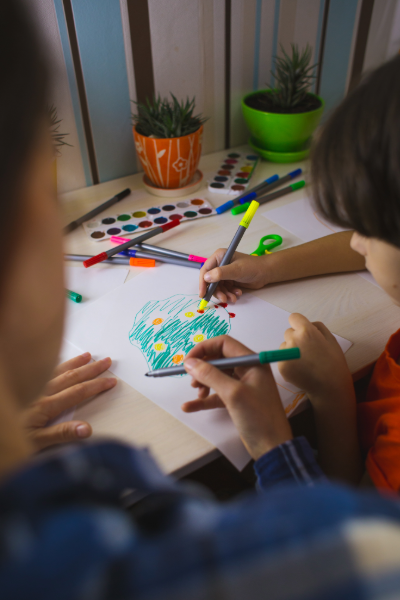
As a parent, you may find it frustrating when your child is showcasing BIG emotions, but what is more worrisome is when you know your child should be showing emotions, but isn’t. Let’s explore some ways you can help your child express their emotions safely, and feel good doing it.

The Day My Daughter Taught Me About Consent
It was a typical weekday in our house. We were already running late for school (again) - my daughter was still half-dressed, her breakfast was somewhere between her mouth and the dogs, and I was chasing her, holding a hairbrush like it represented the last shred of hope we had of passing as a functioning family.

Social Anxiety: When “Just Shy” Isn’t the Whole Story
It’s completely normal for kids (and grown-ups, too) to feel nervous in new situations—meeting new people, starting school, or speaking up in class. But when those nerves turn into deep fear or lead to avoiding everyday activities, it might be more than just shyness. Your child could be struggling with social anxiety.
Understanding what social anxiety looks like - and how to support your child through it - can make all the difference.

A Love Letter to the Deeply Feeling Kid
You know that moment when your child bursts into tears over something that seems, at least on the surface, so small? Like the wrong color cup, or a sibling sitting too close, or the end of a favorite song? If this sounds like your kid, or your family, we’d love to support you. Reach out. We’re here to help.