

Is your child battling anxiety? Acting out? Having nightmares? For most children, play therapy is a great way to help them express their emotions and feelings in a familiar and comfortable way. At GIA Institute, we use play therapy for kids who don’t have the verbal skills necessary to communicate their feelings, challenges, or needs.
Help Your Child Today
Play Therapy is the strategic use of play in therapy to help kids ‘show’ us what’s happening, what they’re feeling and thinking inside and - most importantly - what they need. By using toys, art, games, and stories, kids can express and process difficult experiences without needing words they may not have yet. This form of therapy is great for a variety of challenges kids may be facing.
Play Therapy for Kids
Play therapy is ideal for kids who don’t have the verbal skills necessary to communicate their feelings, challenges, or needs. It’s typically used for children, ages 3 to 12, who are anxious, overwhelmed, sensitive, struggling with behavior, or navigating big changes. When it comes to therapies for kids, playing is not something most kids will object to.
Play Therapy for Teens & Adults
While Play Therapy is usually reserved for children, we often use ‘playful’ items in traditional therapy because humans tend to gravitate toward things that help them feel calm and regulated —sometimes that’s a puzzle, a fidget, a Lego, or a Jenga set. Teens, in particular, are often drawn to such items without even realizing it.
Whether playing tabletop hockey, creating drawings, or playing a board game, our therapists can help teens open up without feeling put on the spot or worrying about awkward silences.
What Does Play Therapy Treat?
Understanding what demographic benefits from play therapy is important, but realizing what disorders or challenges call for therapy in the first place is even more important. Play therapy can be used to treat:
Anxiety
ADHD
BIG feelings
Behavioral issues & defiance
Big Emotions
Coping Strategies
Emotional Regulation
Grief/Loss
Life Changes
Nightmares/Night Terrors
Relationships with siblings and parents
Self-Esteem
Social challenges
Trauma
Who Benefits Most from Play Therapy
Types of Play Therapies & How They Work
Play therapy might sound like just playing a game of cards and talking through memories or trauma, but there are so many different approaches to play therapy, and each child might respond differently to each approach. We work with you and your family to find the right type of play therapy for your needs.
Expressive Arts
Many kids don’t have the verbal skills necessary to communicate their feelings and needs. Creativity or imagination gives them a safe way to express themselves.
Art, drawing, and other creative expression is especially helpful for kids who are highly sensitive or have big (”big” could be underlined or spelled out or all caps feelings. It's also great for kids who may get easily overwhelmed when asked direct questions.
What we use: crayons, markers, paints, clay, play-dough, collage materials
Sand Tray Therapy
Using miniature figures and a sandbox, kids are asked to create stories and scenes to help them express their experiences or fears. This can be directive or non-directive and is extremely useful when processing trauma or experiences that are hard to put words to.
What we use: sand trays, figure sets (people, animals, objects, fantasy characters)
Sensory Tools
Sensory play helps kids regulate their nervous system and calm their bodies. It helps with staying grounded before or during deeper therapeutic work. It also provides a necessary coping skill that can be used outside of therapy
What we use: kinetic sand, putty, slime, fidgets, sensory bins
Therapeutic Games
The key to any therapeutic work is the relationship between the therapist and the client, particularly with kids and teens. Games can help with connection and teach emotional regulation and problem-solving skills. It offers a safe way to practice ‘trusting again’ with adults.
What we use: board games, feeling games, card decks
Cognitive-Behavioral Play Therapy (CBPT)
Cognitive-Behavioral Play Therapy (CBPT) is a bit different from other play therapies. While play therapy is often considered non-directive, CBPT is a directive therapy, where the therapist decides the goals and direction in sessions. Sessions are designed to be educational, teaching more adaptive skills and behaviors through play. It helps kids understand their thoughts, feelings, and behaviors and learn necessary skills to cope with anxiety, big emotions, or negative behaviors.
Narrative Tools
Kids can often express themselves through stories more easily, where they can tell their stories through play. They can act out scenes and events, putting their experiences, thoughts, and feelings into characters. This can help children express themselves without feeling too exposed or too awkward.
FAQs About Play Therapy
Is Art Therapy a Form of Play Therapy?
Art can be used in Play Therapy, and Play Therapy can use art, but Art Therapy is its own specialized approach, with its own training and licensure.
Is Play Therapy Only Used for Kids?
Mostly, but some of the tools, like art, music, games, or storytelling, can be used to treat teens.
Is There an Ideal Age for Play Therapy to Work?
Yes, play therapy works best for children ages 3-12.
Do You Use Animals in Play Therapy?
Yes! Our therapy dog, Tink, often joins our sessions. Her calm presence often helps kids to feel grounded, relaxed, and safe. We also have designated space for anyone who requests it.
How Many Sessions of Play Therapy are Typically Needed?
Everyone is different, but Play Therapy typically takes several months of weekly sessions. Parents are involved from the beginning and will be a part of treatment every step of the way.


Our Approach

Our therapists specialize in working with children. With extensive knowledge of the most up-to-date therapy practices, our therapists offer comprehensive support tailored to each individual and family’s needs.
The best approach to therapy depends on your child’s age, their behaviors, and what's going on below the surface. Our family therapy team, based here in South Jersey, will take the time to get to know your family and build a plan that fits your child’s unique needs.
We are here to help you, your child, and your family rewrite your story, and practice better communication, trust, and mindfulness.
What To Expect At GIA
-
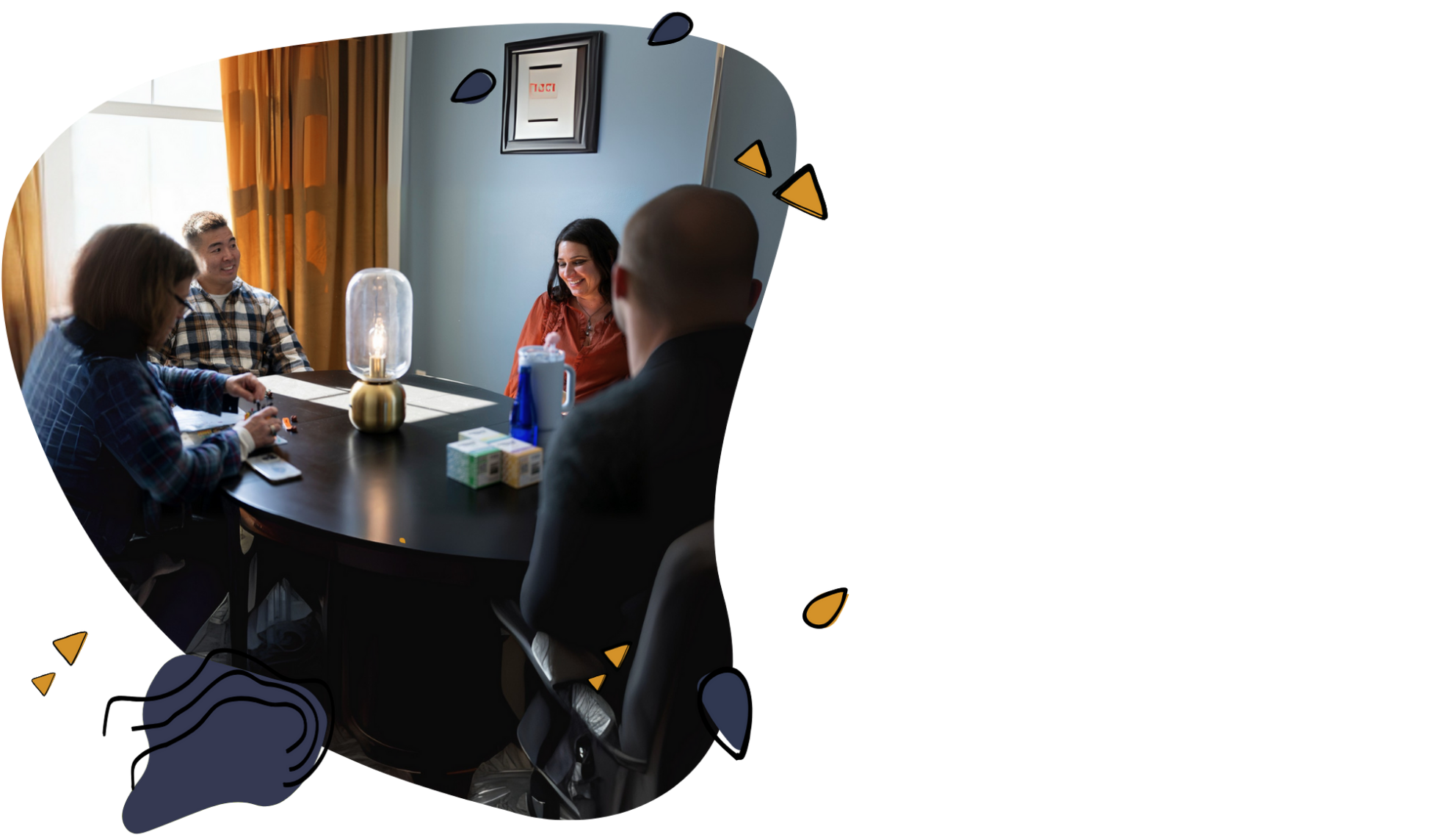
We're your therapists next door, ready to help you and your family rewrite your story.
-
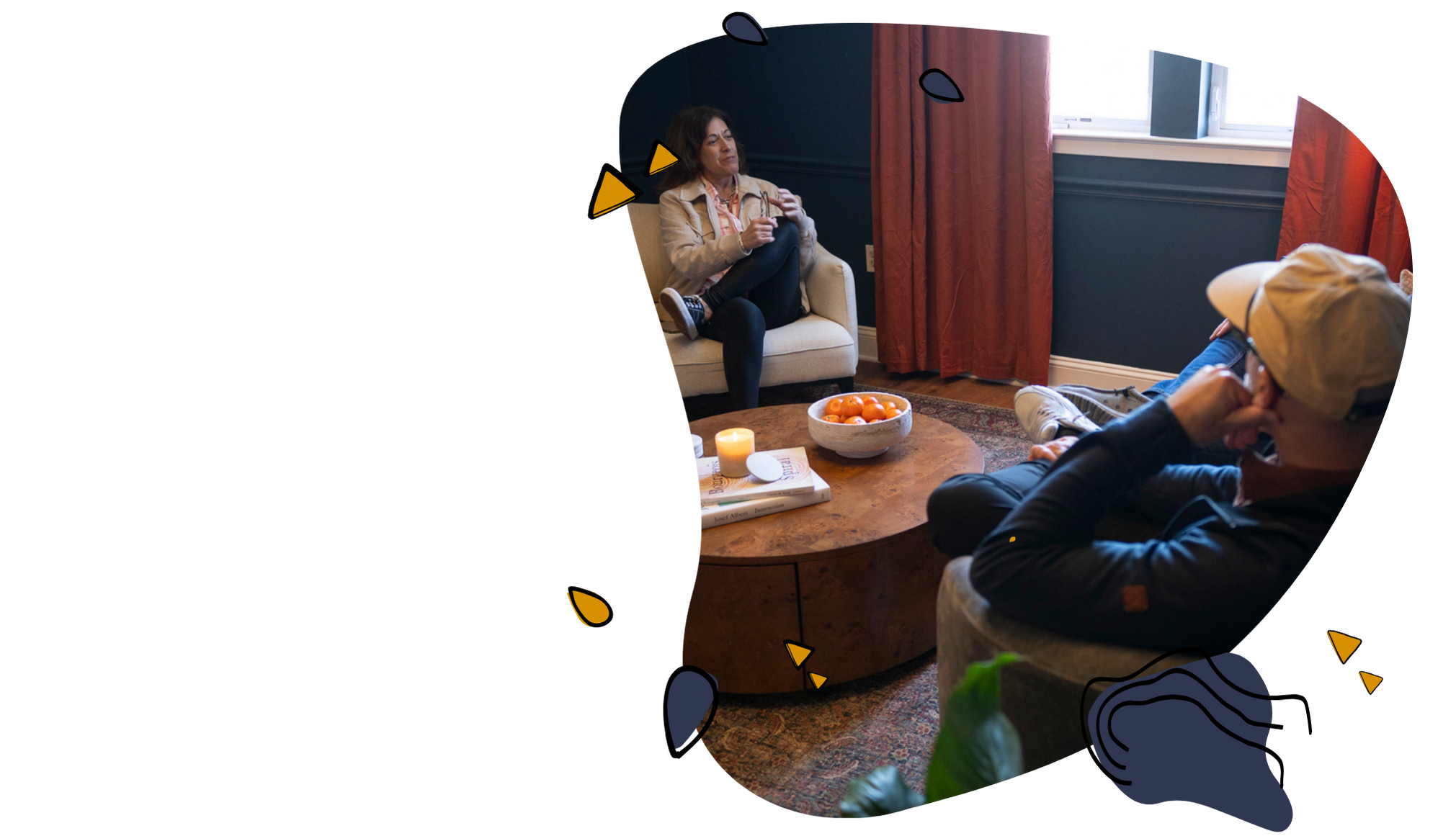
We will start by getting to know you and your child. From there, you and your therapist will work together to outline a treatment plan that makes sense for your goals.
Are you and your child ready to rewrite your story?
We look forward to working with you and your family to overcome the emotional and behavioral challenges that come with childhood trauma and cognitive disorders.