What is Animal-Assisted Therapy & How We Use It
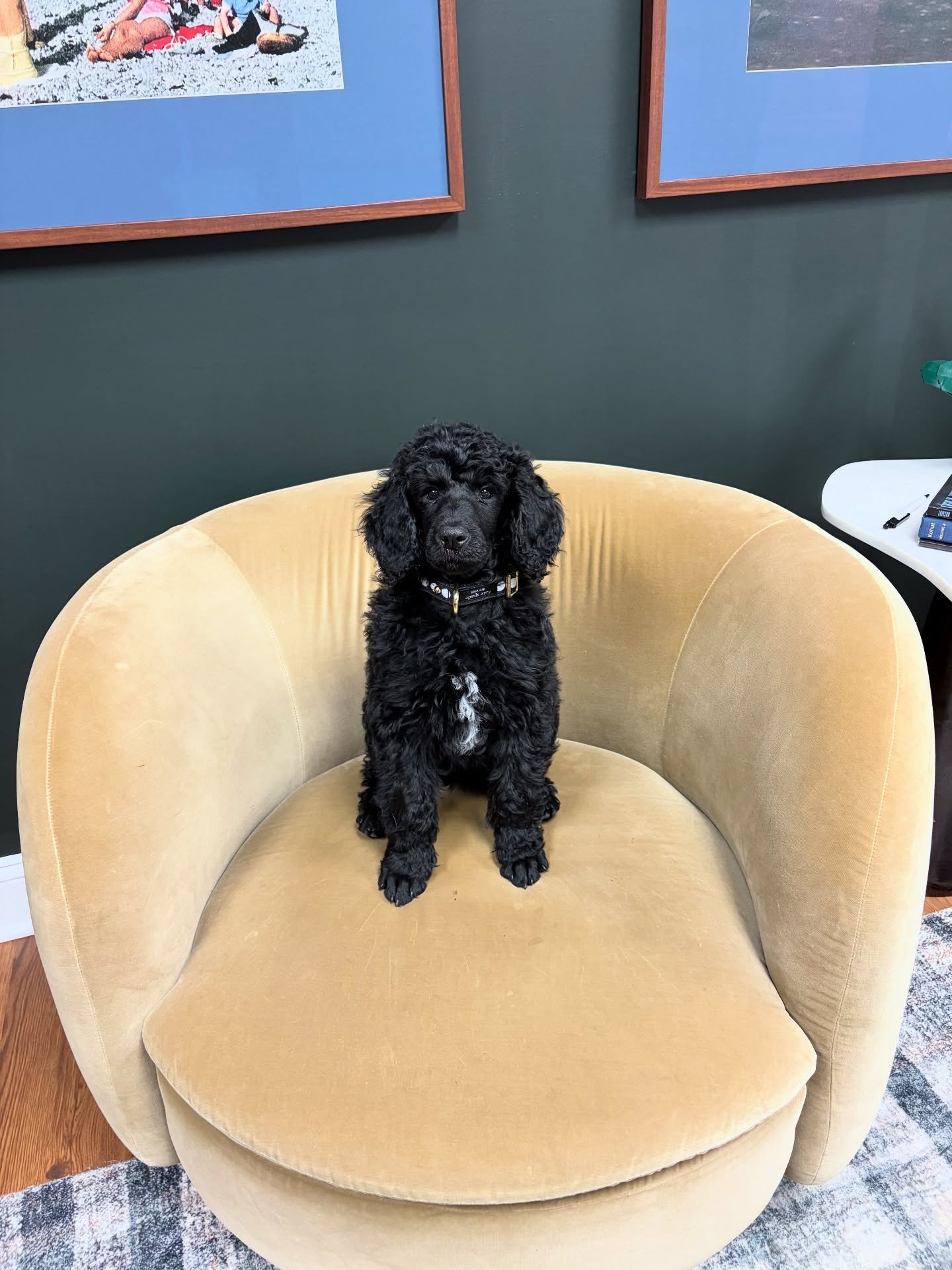
Maisie, our 4-month old therapy-dog-in-training
Animal assisted therapy is an evidence based approach that integrates trained animals into the therapeutic process to support emotional, behavioral, and relational healing. While many people associate therapy animals with children, research shows that individuals of all ages can benefit from the presence of a calm, attuned animal during counseling. At GIA Institute, animal assisted therapy is offered as an optional complement to traditional clinical approaches for both children and adults.
Meet Maisie
At just four months old, Maisie is our youngest therapy-dog-in-training who has been coming to the office since she was eight weeks old. She is an intelligent and intuitive Standard Poodle who is clumsy, affectionate, and already attached to both our clients and therapists.
Maisie may sit quietly during sessions, greet clients briefly in common areas, or rest near her human. While she is not a service animal and does not perform clinical tasks, her presence can naturally support emotional regulation. For many clients, simply having her nearby adds warmth and ease to the therapeutic environment.
Participation in interactions with Maisie is always optional. We maintain animal-free offices and will always respect your wishes, boundaries, allergies, and comfort level.
Meet Lillie
Lillie is a gentle 4-year-old Golden Retriever that we would love to introduce you to! She can be a calming support to clients who are experiencing bereavement, grief, depression, or anxiety. You might find Lillie laying next to a client during a deep trauma session, or playing with a child during a play therapy session. We love seeing our clients smile while opening up in the presence of Lillie.
Benefits of Therapy Dogs for Treatment
Animal-assisted therapy, especially with dogs and puppies has proven to help people relax during sessions, be more comfortable expressing emotions, and many other subtle factors to enhance the overall therapy experience.
Reduces Stress and Anxiety
A study at Washington State University has shown that if you are simply around a dog or cat, you can decrease your stress hormone, cortisol. These findings help explain why animal assisted therapy can be such a powerful addition while sharing something tragic or painful.
For individuals who feel overwhelmed in traditional talk therapy, the presence of a dog can make the environment feel less clinical and more welcoming.
Increases Emotional Safety and Trust
Therapy animals provide a nonjudgmental presence. For children who are hesitant to speak, teens who feel guarded, or adults who struggle with vulnerability, an animal can act as a bridge to connection. Clients often find it easier to begin talking while petting a dog or allowing the dog to sit nearby.
This sense of safety can be especially helpful for individuals with traumatic histories. Feeling physically and emotionally grounded is a foundational step before processing painful memories.
Improves Emotional Regulation and Empathy
Learning to observe and respond to a dog’s body language encourages emotional awareness. Children and teens often become more attuned to subtle cues, which strengthens empathy and perspective taking. Adults may also notice how their tone of voice, energy, and body posture affect the animal’s responses.
We have found that animal assisted therapy can enhance family therapy sessions by creating shared positive experiences. Families may practice communication skills, problem solving, or emotional regulation exercises while the therapy dog is present. The animal often diffuses tension and provides a neutral focal point during difficult conversations.
For families navigating conflict, grief, or major transitions, the presence of a therapy dog can help regulate heightened emotions. When stress levels decrease, family members are better able to listen, collaborate, and respond thoughtfully rather than reactively.

Other Therapies Enhanced by Animal Assistance
Animals aren’t used in combination with every type of therapy, but we have seen success adding them to many modalities.
Trauma-Focused Cognitive Behavioral Therapy (TF-CBT)
In trauma focused work with children, teens, or adults, the presence of a therapy dog can reduce hyperarousal and increase a sense of protection. When clients practice coping skills or gradually process traumatic memories, the dog can serve as a grounding anchor. This added layer of safety may increase engagement and tolerance for challenging material.
CBT for Anxiety
For individuals working on anxiety, social fears, or negative thought patterns, therapy dogs can be integrated into exposure exercises, mindfulness practices, or behavioral activation strategies.
For example, a socially anxious teen might practice greeting skills with the dog before transferring those skills to peers. An adult with depression might incorporate structured dog interaction into behavioral activation goals.
Play Therapy and Expressive Techniques
Animal-assisted play therapy creates natural opportunities for children to express themselves without pressure. Kids might act out scenarios with the therapy dog, revealing thoughts and feelings they cannot yet verbalize. The playful interaction encourages creativity while building communication skills. These sessions feel less like "therapy" and more like enjoyable time spent with a special friend.
Grief and Loss Counseling
For both children and adults experiencing bereavement, therapy animals can provide comfort during sessions that evoke sadness or longing. According to the Human Animal Bond Research Institute, 85% of people state interacting with a pet reduces their sense of loneliness. In grief work, the steady presence of a dog can offer quiet companionship when words are difficult to find.
Behavioral Therapy and Motivation
Therapy dogs serve as powerful motivators for children working on behavioral goals. The opportunity to spend time with the dog becomes a meaningful reward that encourages positive behavior changes. Children often show improved focus and participation when a therapy dog is present during sessions. The responsibility of caring for or training the dog also teaches accountability and builds self-esteem.
Is Animal-Assisted Therapy Right For You?
Animal assisted therapy is always voluntary and thoughtfully considered based on clinical appropriateness. It is not a replacement for traditional therapy, but a supportive enhancement when aligned with treatment goals. Some clients prefer animal free sessions, and that choice is always respected.
For many individuals, however, the presence of a therapy dog adds warmth, regulation, and connection that deepens the therapeutic experience.
Animal-Assisted Therapy in New Jersey
If you're seeking comprehensive mental health treatment that includes innovative animal-assisted therapy, GIA Institute offers specialized programs for kids and adults living in South Jersey and across the state. Rewrite your story with GIA today!



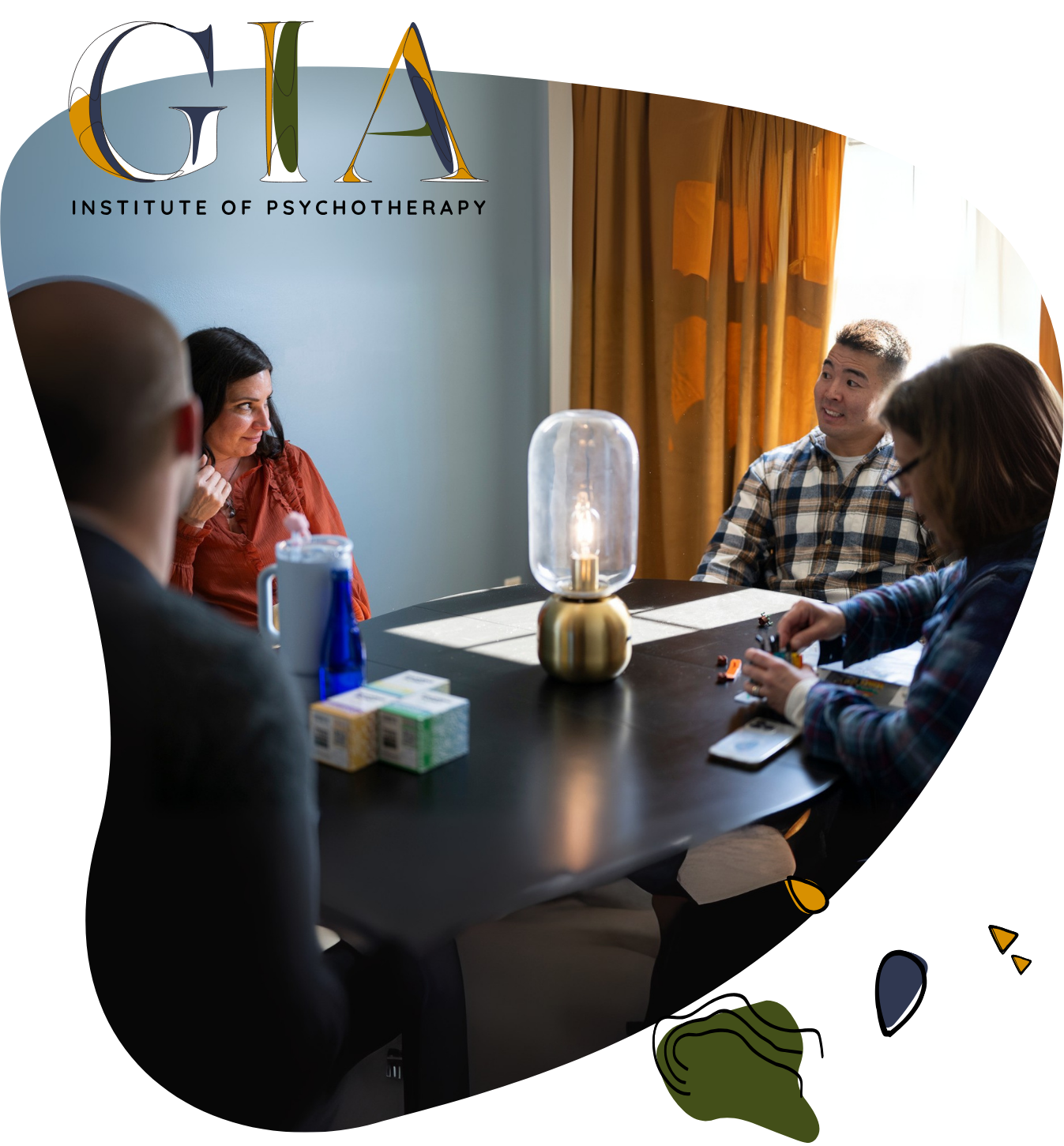
As relational therapists, we believe that working with a therapist who “gets” you - one who you trust can help you - is the foundation for successful therapy. To ensure the best possible match, we'll schedule a consultation to discuss your specific needs and preferences. We'll consider your cultural background and identity, your goals, and your financial situation to help connect you with a therapist who is right for you.
For in-person sessions in South Jersey, our office is located in downtown Somers Point, NJ. For your convenience, we also offer online sessions for anyone in New Jersey.