

Welcome to Between Us, a collection of real stories and reflections that inform our work as therapists.
Here, we explore the small human moments that teach us, the conversations that shape us, and the narratives that heal us.
It’s for all the feelers, thinkers, and seekers who believe healing is built in the moments we share.

How Internal Family Systems (IFS) Therapy Helps Treat Anxiety Symptoms
If you struggle with anxiety, you are likely wishing it could just go away. Unfortunately, persistent or generalized anxiety disorders will not just disappear, but by understanding what your anxious thoughts are stemming from or trying to protect you from, you might be able to overcome the hold anxiety has on you.
While many therapy approaches for anxiety focus on changing anxious thoughts or behaviors, Internal Family Systems (IFS) therapy takes a different approach. Rather than viewing anxiety as something that needs to be eliminated, IFS seeks to understand the protective role anxiety is playing and heal the deeper wounds beneath it.
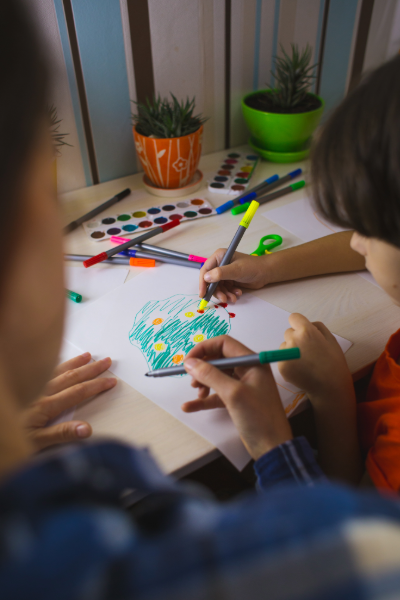
How to Help Your Child Name & Express Their Feelings
As a parent, you may find it frustrating when your child is showcasing BIG emotions, but what is more worrisome is when you know your child should be showing emotions, but isn’t. Let’s explore some ways you can help your child express their emotions safely, and feel good doing it.

The Day My Daughter Taught Me About Consent
It was a typical weekday in our house. We were already running late for school (again) - my daughter was still half-dressed, her breakfast was somewhere between her mouth and the dogs, and I was chasing her, holding a hairbrush like it represented the last shred of hope we had of passing as a functioning family.

Social Anxiety: When “Just Shy” Isn’t the Whole Story
It’s completely normal for kids (and grown-ups, too) to feel nervous in new situations—meeting new people, starting school, or speaking up in class. But when those nerves turn into deep fear or lead to avoiding everyday activities, it might be more than just shyness. Your child could be struggling with social anxiety.
Understanding what social anxiety looks like - and how to support your child through it - can make all the difference.