
Anxiety can make everyday life feel overwhelming. At GIA Institute of Psychotherapy, we provide compassionate, evidence-based anxiety therapy tailored to your unique experiences and needs. Whether you’re dealing with constant worry, panic attacks, social anxiety, or racing thoughts, our therapists are here to help you regain a sense of calm, confidence, and control.
You don’t have to manage anxiety alone. Healing and relief are possible with the right support.
Anxiety Treatment & Therapy
Worry Less and Live More
Signs and Symptoms of Anxiety
Anxiety affects people in different ways. Some individuals experience nonstop worrying thoughts, while others notice physical symptoms or avoid situations that feel stressful or overwhelming.
Common signs and symptoms of anxiety include:
Excessive worrying or overthinking
Feeling restless, on edge, or constantly tense
Irritability or feeling easily overwhelmed
Trouble falling asleep or staying asleep
Fatigue or feeling mentally drained
Rapid heartbeat, chest tightness, or shortness of breath
Muscle tension, headaches, or stomach discomfort
Avoiding social situations, responsibilities, or feared experiences
Panic attacks or sudden feelings of intense fear
If anxiety is interfering with your daily life, relationships, work, or overall well-being, therapy can help.
Types of Anxiety Disorders
Anxiety can take many forms, and understanding the specific type of anxiety you may be experiencing can help guide effective treatment.
Common anxiety disorders include:
Generalized Anxiety Disorder (GAD): Persistent and excessive worry about everyday life, responsibilities, or future events
Panic Disorder: Recurring panic attacks and fear of future attacks
Social Anxiety Disorder: Intense fear of judgment, embarrassment, or social situations
Health Anxiety: Excessive worry about physical health or medical conditions
Obsessive-Compulsive Disorder (OCD): Intrusive thoughts and repetitive behaviors or mental rituals
Phobias: Intense fear related to specific situations, objects, or experiences
Separation Anxiety: Fear or distress related to separation from loved ones or attachment figures
Anxiety & Depression (Co-occurring): Anxiety symptoms that overlap with depression or low mood
Anxiety Support for Kids & Adults
At GIA, we have helped young children with extreme social anxiety and phobias, as well as retirees struggling to overcome panic attics in their every day life. Regardless of your age or journey, we want to help you or your loved one get their life back.
1 in 5 adults experience feelings of anxiety, while another 11% of kids in the US are diagnosed with an anxiety disorder, while that number is even higher among teenagers . You are not alone in your struggle, and we don’t want you to feel alone!


Our Approach

At GIA Institute of Psychotherapy, we take a personalized and integrative approach to anxiety treatment.
We commonly use Dialectical Behavior Therapy (DBT) and Internal Family Systems (IFS) to help clients better understand the root causes of anxiety while developing practical coping strategies for everyday life.
Our licensed therapists create a safe, supportive, and non-judgmental environment where you can openly explore your experiences and begin building lasting emotional resilience. Together, we work to reduce symptoms, and help you feel more grounded and empowered.
Anxiety Treatment Therapy in Somers Point, NJ
If anxiety has been keeping you disconnected from the life you want to live, support is available. At GIA Institute of Psychotherapy, we offer individualized anxiety treatment tailored specifically to you.
Whether your anxiety feels mild and manageable or intense and persistent, our team is here to help you move forward with greater clarity, confidence, and peace of mind.
You deserve relief from constant worry and stress. Contact GIA Institute of Psychotherapy today to schedule a consultation and take the first step toward healing.
What To Expect At GIA
-
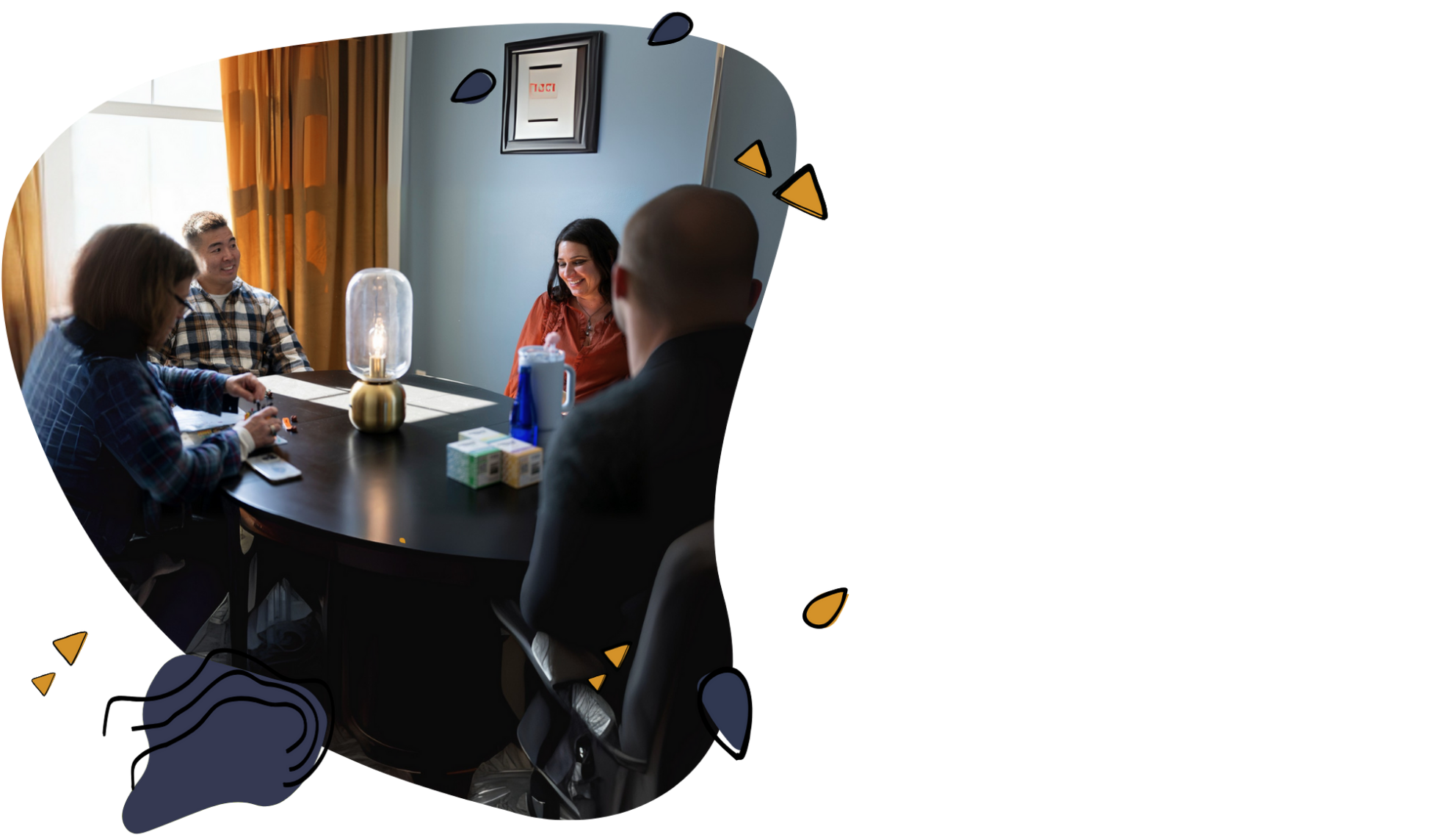
We're your therapists next door, ready to help you and your family rewrite your story.
-
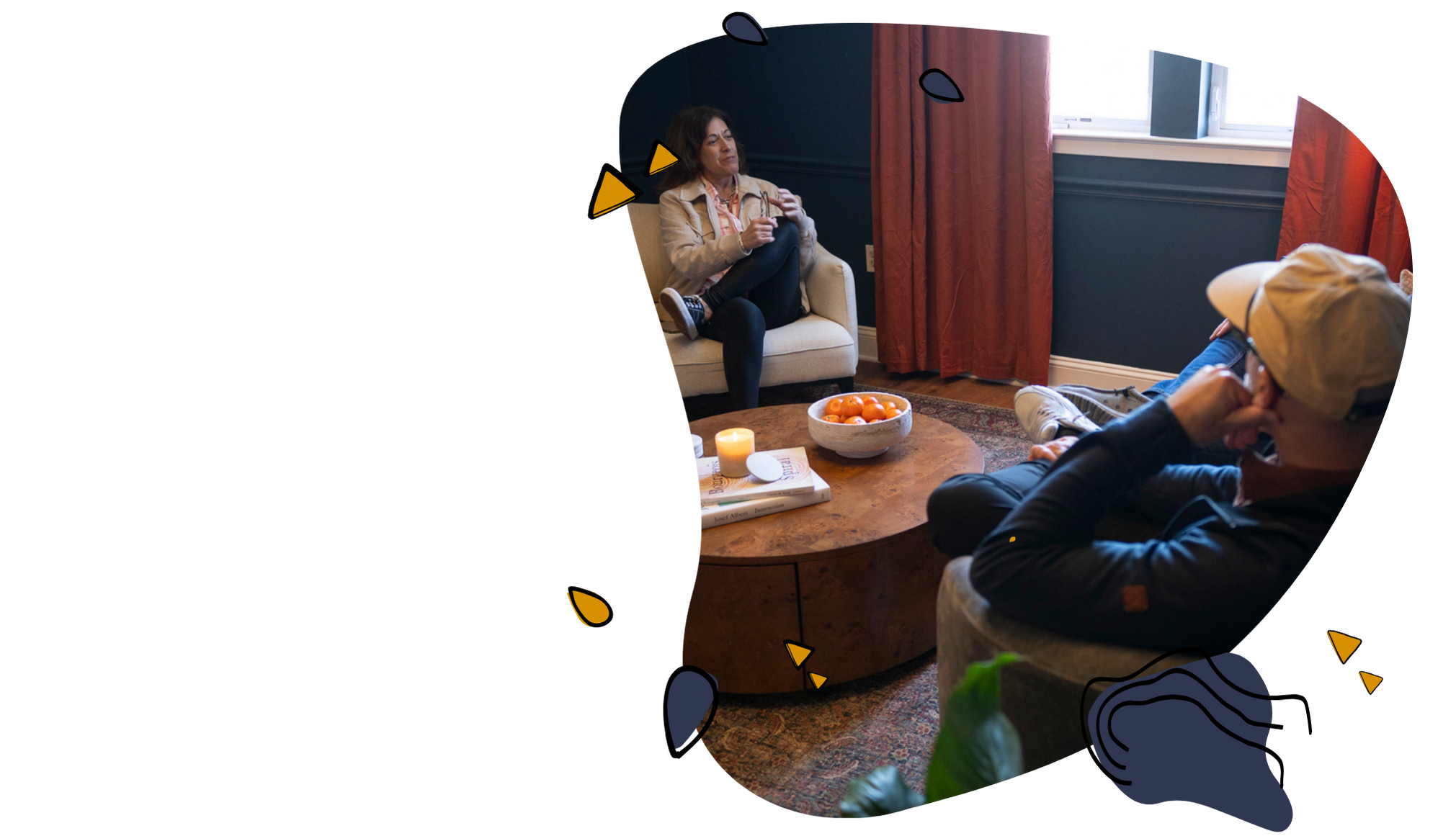
We will start by getting to know you and your goals for therapy. From there, you and your therapist will work together to outline a treatment plan that makes sense for you.
Are you ready to rewrite your story?
We look forward to working with you to overcome anxiety and start living your life to your fullest.